What would you do if the seller told you the repairs were completed by a licensed contractor but you discovered that wasn’t the truth?
That’s exactly the situation my buyers recently found themselves in.
And it’s a perfect example of why having your own buyer’s agent is about so much more than finding a home, writing an offer, and getting to the closing table.
It’s about having someone in your corner who is willing to ask questions, verify information, understand the contract, and fight for your best interests when something doesn't look right.
It Started With a Home Inspection
My buyers were under contract on a new home and, thankfully, had a thorough professional inspection performed. The inspection uncovered a list of items that needed attention. Some were significant, others were relatively minor…but they all needed to be addressed.
We negotiated an amendment to the contract requiring the seller to have the necessary repairs completed by a licensed contractor. We also required detailed, paid receipts documenting the work, and within a specific timeframe before closing.
Simple enough, right?
Not quite.
As the transaction continued, my buyers did everything they were supposed to do. They stayed in communication with their lender, provided all requested documentation, and worked diligently toward final loan approval. Meanwhile, we were waiting for the seller to fulfill the repair requirements.
And that's when things started getting interesting.
"The Repairs Have Been Completed."
The seller's agent told us that the work had been completed by a licensed contractor and sent photographs of the repairs thinking everyone would just move forward.
There was just one problem.
The work didn't look professional, the receipts didn’t show as “paid,” and the communication didn’t include all items.
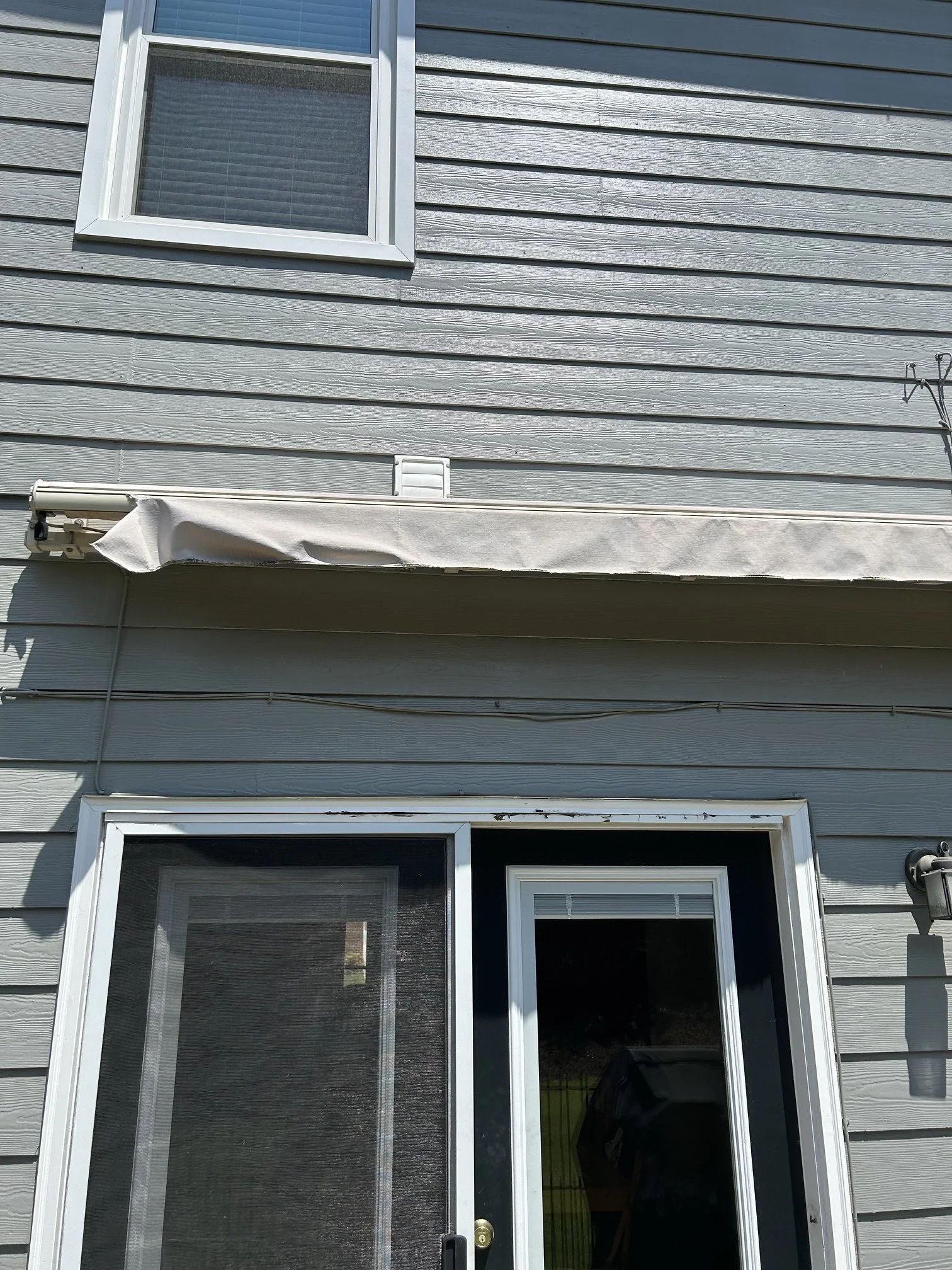
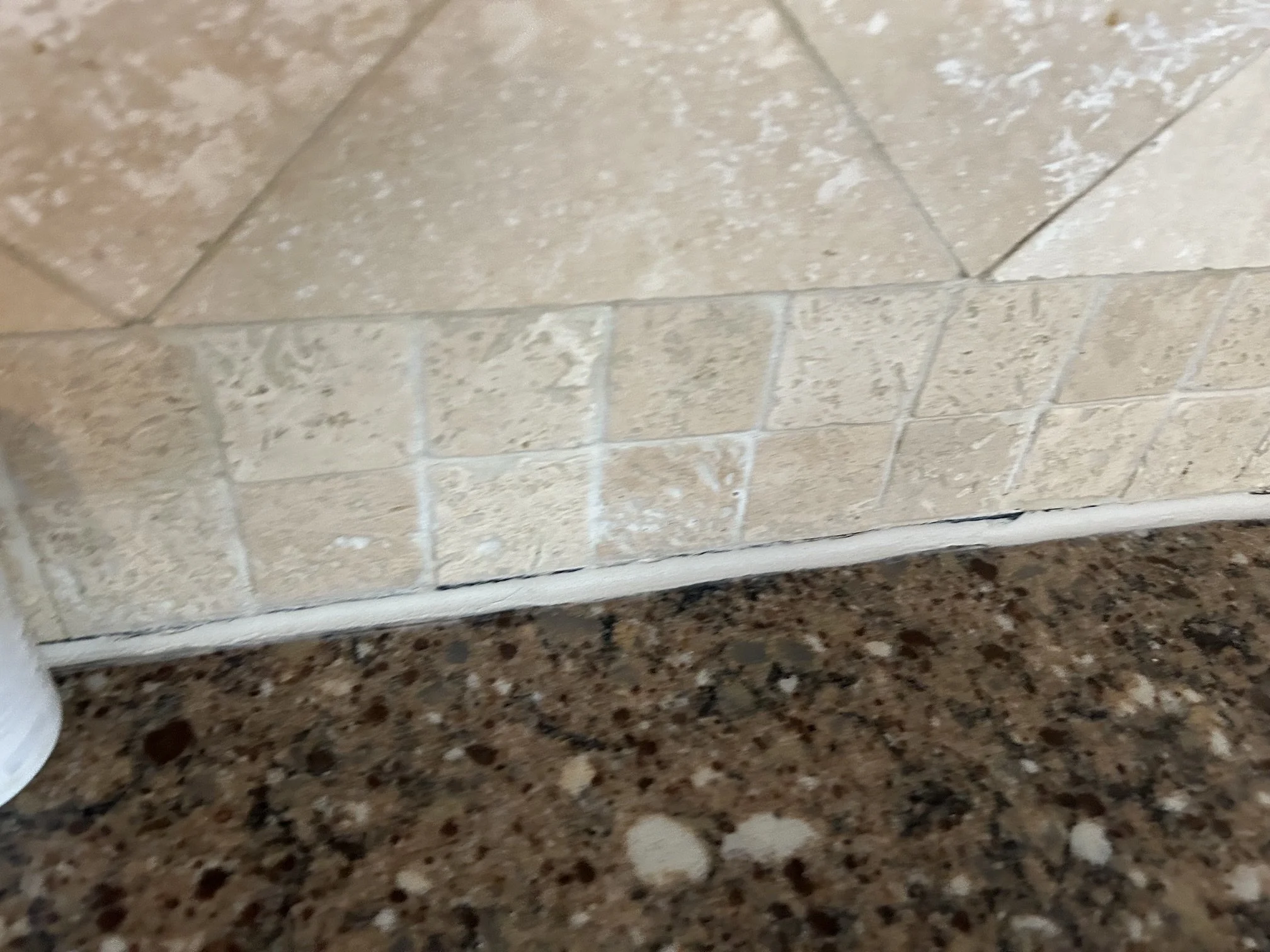
The photographs raised enough concerns that I questioned whether the contractor was actually licensed, particularly because our amendment specifically required a licensed contractor. So we asked for proof of the contractor's license.
The response?
“The contractor was no longer available, and the seller was going to have another licensed contractor review the work.”
No longer available? What does that even mean?! Something didn’t add up.
So… we kept asking questions.
Several days later, we received a paid receipt from the REPLACEMENT “licensed” contractor. But the receipt wasn't detailed enough to demonstrate exactly what work had been completed, nor did it clearly satisfy the requirements outlined in our amendment. (Buyers requested the licensed contractor perform the work, not review it.) By this time, it was also determined that the first contractor was NOT licensed even though we were told that he/she, was.
Even more concerning, the receipt included language stating that the new company would not take responsibility for the previous work.
My buyers weren't comfortable with that and neither was I.
So We Started Digging
This is where buyer representation really matters.
We researched the company that was supposedly reviewing the work and discovered that the company appeared to have been dissolved approximately two years earlier.
Rather than assume we had the entire story, I also called the company and that conversation uncovered another significant issue…the owner told me that he wasn’t a licensed contractor either!
He also indicated that he had told the seller's agent this.
So now we had a problem.
The first contractor wasn't licensed.
The second contractor wasn't licensed.
The listing agent wasn’t honest about either.
The contract specifically required the repairs to be completed by a licensed contractor.
This was no longer just an issue with repairs. It was about being ethically responsible, transparent, and honest. In addition, we were getting closer to closing and we were back at square one still fighting to get the seller to follow through on what they agreed to do.
This Is Where Your Agent Has Your Back!
I received considerable pushback from the seller's agent throughout this process, including a reluctance to take responsibility for the issues we were uncovering.
But my responsibility wasn't to make the other agent happy. My responsibility was to my buyers.
That meant continuing to ask questions. It meant verifying information. It meant pushing back when the documentation didn't support what had been represented. And it meant making sure my buyers understood what was happening so they could make informed decisions.
That's what representation is supposed to look like.
Clarity and accountability should be built into the contract whenever possible.
This experience is a great reminder that the value of buyer representation isn't always obvious when everything is going smoothly. When you're happily touring homes, negotiating your offer, and imagining where your furniture will go, it can be easy to think, "Why do I really need an agent?"
But the real value often shows up when things don't go smoothly.
Your buyer's agent should be paying attention to:
Inspection findings
Repair negotiations
Contract amendments
Contingency deadlines
Documentation
Appraisal issues
Financing concerns
Closing requirements
Communication with the other side
And whether the terms everyone agreed to are actually being fulfilled
They should also know when something doesn't pass the "that doesn't seem right" test.
And when it doesn't? They take action.
Remember: The Seller's Agent Works for the Seller
This is one of the most important things buyers need to understand. The seller's agent represents the seller and their job is to protect their client's interests.
Your buyer's agent represents you and their job is to protect yours.
That doesn't mean the seller's agent is going to be dishonest or difficult. There are many wonderful agents on both sides of real estate transactions, and most professionals want to see a transaction close successfully with integrity, honesty, and transparency.
But when there is a disagreement, a contract issue, or competing interests, you want someone whose legal and professional responsibilities are aligned with your side of the transaction.
Buying a Home Is Too Important
Buying a home is a BIG deal. Unless you are an expert in real estate contracts, negotiation, inspections, financing, and the home-buying process, trying to navigate all of this on your own can leave you vulnerable.
You DESERVE someone who will:
Ask the hard questions.
Read the fine print.
Verify the details.
Recognize potential problems.
Negotiate when necessary.
Push back when appropriate.
And, most importantly, protect your interests.
The End Result
Thankfully, we were able to take necessary steps and action that allowed my buyers to get the clarity and confidence to move forward. This story continues so stay tuned for “Part 2 - After the Closing” for the final straw!
This entire transaction reinforced something I've learned throughout my career: Experience matters.
Knowing what questions to ask matters. Understanding the contract matters. Paying attention to the details… IT MATTERS. And having an advocate who is willing to dig deeper when something doesn't seem right can make a tremendous difference.
So before you start looking for your next home, make sure you've found the right person to represent you. Because when everything goes perfectly, a good buyer's agent makes the process easier.
But when something goes wrong, that's when you really discover the value of having one.
